How to Stay Safe When Traveling Solo: Practical Tips for 2025
Imagine exploring new places confidently while avoiding common safety pitfalls—your solo adventure awaits! With the rise of solo travel, especially among digital nomads and solo explorers, safety has become more crucial than ever. Take Lisa, a solo traveler who used simple precautions like sharing her itinerary and using reputable apps — she enjoyed her trip stress-free and avoided risks. According to recent industry safety tips for 2025, travelers are prioritizing digital security and local awareness. In this article, you’ll discover actionable steps, including smart app recommendations and safety gear, to empower your adventures. Starting now, you can implement these practical tips for a safer, more enjoyable solo trip — because the best adventures are the ones where you stay confident and secure. Ready to travel smarter? Keep reading!
What Recent Data Tells Us About Solo Travel Risks and Opportunities

Recent research underscores the increasing popularity of solo travel in 2025, with significant attention on safety and social integration. A travel trends report highlights that solo travel has become a top emerging trend, driven by increased empowerment and technology support. Over 24% of Brits are planning trips alone in 2025, reflecting a notable growth in this segment. Platforms like Triwize have facilitated spontaneous trip planning by 20%, offering quick, safe flight options with integrated support, thereby enhancing trip management and safety.
Safety concerns remain paramount, especially for solo female travelers. Studies indicate that safety issues such as gender-based violence and harassment are still prevalent challenges, prompting travelers to research local safety alerts and utilize trusted transportation apps like Rome2Rio for secure route planning. Lightweight bivy sacks weighing just 1-2 lbs with 4-10°F warmth are gaining popularity for minimalist backpacking, providing safe and lightweight shelter options. Moreover, affordable global data plans such as Roamless, dropping to $2.45/GB, enable constant connectivity, facilitating real-time safety communication. AI tools like ChatGPT and GitHub Copilot, costing around $20–$50/month, further enhance safety and productivity in trip planning by providing quick access to information and operational support for tech-savvy travelers.
Key Safety Insights from Current Data
Step-by-Step Guide to Planning a Secure Solo Trip

Traveling solo offers incredible freedom and adventure, but safety should always be a priority. A well-structured plan can help mitigate risks and ensure a smooth journey from research to execution. Start by gathering the latest information on local safety conditions, transportation options, and essential gear. Utilizing the right tools and following a step-by-step workflow can make your trip both enjoyable and secure.
Research and Assess Risks
Begin your planning by checking current safety alerts and travel advisories. Websites like government travel advisory sites provide up-to-date information on regional safety concerns, health issues, and entry requirements. Apps like Safety Wing or TripWhistle also offer real-time alerts about the safety landscape in your destination, helping you avoid risky areas and stay informed about potential hazards.
Plan Transportation and Logistics
Mapping out transportation options is crucial. Use tools such as Rome2Rio to visualize routes, set pickups, and avoid unfamiliar or less secure routes. This service helps you compare different travel modes, ensuring you choose the safest and most reliable options. Booking in advance through platforms like Triwize streamlines your process, reduces delays, and provides support options for emergencies.
Secure Booking and Valuables
Book your flights via reliable platforms like Triwize to ensure quick, flexible options with support services. When securing valuables, use RFID-blocking wallets to prevent electronic theft, especially in crowded areas. Additionally, leverage password managers such as LastPass to generate and store complex passwords for your travel accounts, enhancing your digital security throughout the trip.
Choosing Lightweight Shelter and Connectivity
Select lightweight, weather-appropriate shelter like bivy sacks or compact tents designed for safety and portability. Evaluate weather forecasts and safety features such as reflective materials or reinforced seams. Stay connected using cost-effective data plans like Roamless, which offer affordable international coverage. Installing safety apps like GeoSure or bSafe provides real-time alerts, tracking, and emergency assistance to keep you protected at all times.
Essential Safety Tech and Platforms for Solo Travelers
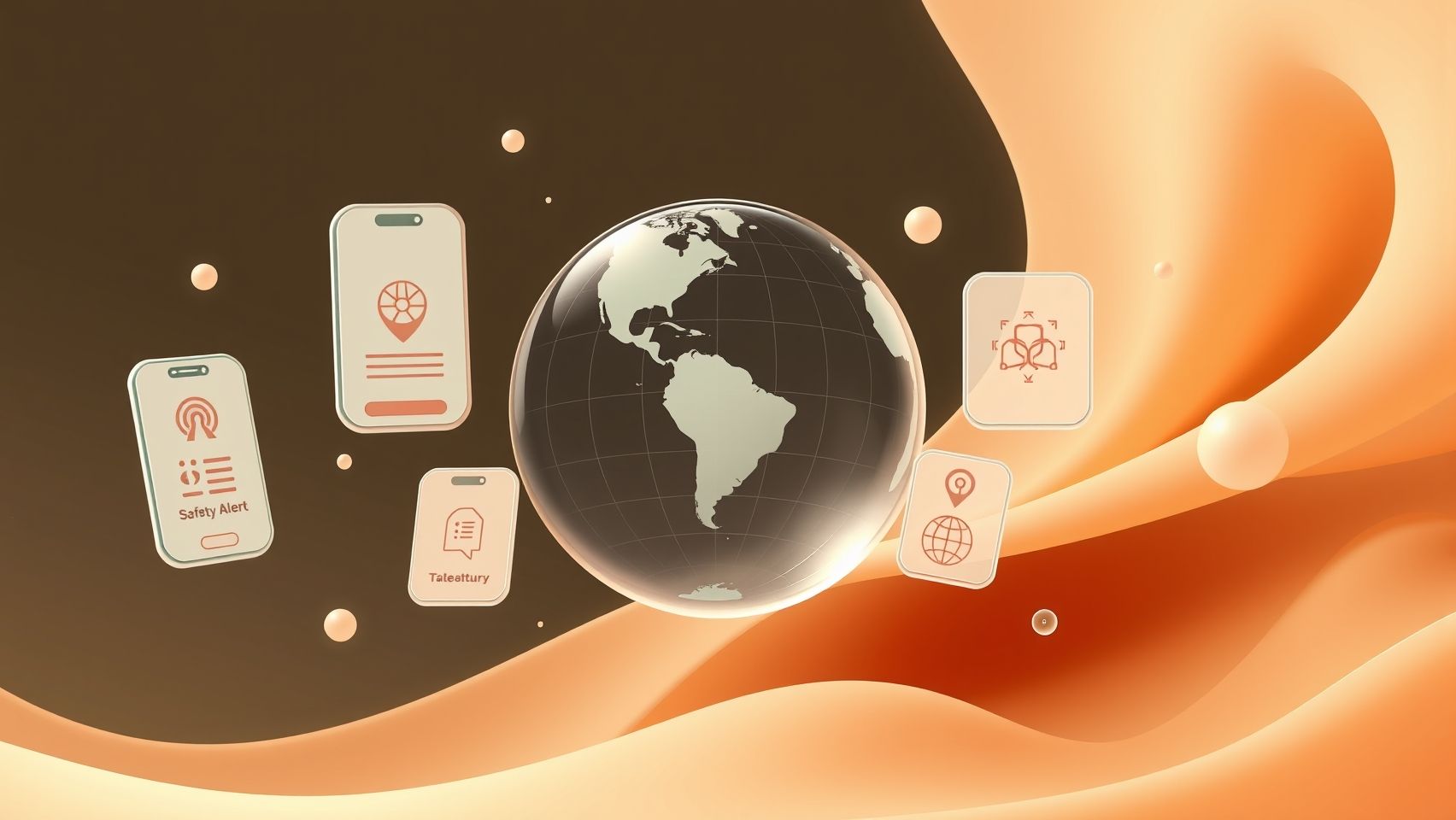
Staying safe while traveling solo in 2025 is increasingly supported by innovative apps and platforms that enhance situational awareness and streamline planning. Leveraging these tools can greatly reduce risks and improve your overall travel experience.
Let’s explore some key safety tech essentials, their setup, and benefits to help you prepare effectively.
Rome2Rio: Map Out Safe Transportation Routes
Rome2Rio is a comprehensive travel app that helps you discover and compare transportation options across 240 countries. To set it up, download the app or visit their website, then input your departure and arrival points. The app not only suggests various routes but also offers real-time updates and alternative suggestions if your initial plan hits a snag. This makes it invaluable for planning safe, efficient travel routes and avoiding potentially unsafe areas.
Triwize: Book Quick, Customizable Flights
Triwize simplifies flight booking with quick, customizable options. Create an account on their platform, select your favorite routes, and use their interface to quickly compare prices and schedules. Their customer support is designed to assist with last-minute adjustments or specific requests, ensuring a smooth booking process that minimizes travel stress.
LastPass: Store and Generate Passwords Securely
Managing multiple travel accounts requires strong passwords. Install the LastPass browser extension or app, then create a secure vault to store login details for your travel apps, accommodation, and transportation services. LastPass can generate complex passwords, reducing the risk of hacking and maintaining your online security.
GeoSure & bSafe: Install Safety Apps
GeoSure provides real-time safety ratings for different locations, while bSafe offers customizable alerts and location sharing. Download both apps, then set your travel destinations within each. Share your live location with trusted contacts and configure emergency alerts so they can monitor your safety at all times. These apps are lifesavers in unfamiliar environments.
Roamless: Purchase a Global SIM or Data Plan
Staying connected is crucial; Roamless offers affordable global SIM cards or data plans at approximately $2.45 per GB. Purchase and activate your plan before departure, then enable automatic data connection to receive safety updates and communicate seamlessly without exorbitant roaming charges. Reliable connectivity keeps you informed and protected during your trip.
Bivy Sacks and Lightweight Tents
For outdoor travelers, bivy sacks and lightweight tents from brands like MSR or Sea to Summit offer essential shelter without adding much weight—just 1-2 lbs. Verify their warmth ratings (4-10°F) and durability to ensure safe, comfortable overnight stays even in challenging conditions. Proper gear enhances your independence and safety in remote areas.
Comparing Shelter and Connectivity Options for Solo Safety

Choosing the right shelter and connectivity solutions is crucial for ensuring safety and comfort during solo travel. Lightweight and reliable options can significantly impact your experience, especially when traveling on a budget or in remote areas. This section evaluates the pros and cons of bivy sacks, tents, and various connectivity tools, providing practical insights backed by recent data.
Bivy Sacks vs. Tents
Bivy sacks are favored by minimalist backpackers for their lightweight design and affordability. Weighing only 1-2 lbs, they provide warmth in the 4-10°F range and are ideal for short-term, budget-conscious trips. Tents, however, offer superior protection and comfort, making them suitable for longer stays or colder, more unpredictable weather conditions. Their bulk and weight increase, which can hinder mobility but deliver enhanced shelter.
Connectivity Solutions
Reliable communication is essential for safety during solo travel. Roamless data plans cost approximately $2.45 per GB and support connectivity in 43 countries, making them a practical solution for travelers moving between regions. They enable access to safety updates and emergency contacts without high costs. Alternatively, local SIM cards or portable hotspots can be more cost-effective for extended stays in specific areas, though initial setup costs vary and may involve purchasing new devices or SIMs.
Frequently Asked Questions About Solo Travel Safety

Solo travel offers unmatched freedom and self-discovery, but it also raises questions about safety and best practices. Staying informed with the latest data and trends can significantly enhance your safety measures, making your journey enjoyable and secure. Here, we address common concerns with practical, data-backed answers to help you navigate the world confidently in 2025.
What are the current risks associated with solo travel?
Recent statistics indicate that about 33% of travelers have experienced crime abroad, yet a majority (around 65%) still feel safe traveling solo in most places. Risks vary depending on the destination, with some regions experiencing higher crime rates. The rise of solo travel, especially among women (which now accounts for approximately 14% of female tourists), underscores the importance of localized risk assessment. Being aware of specific regional safety concerns and avoiding high-risk areas can mitigate potential dangers.
How can I ensure my safety while traveling alone?
Practical safety measures include maintaining situational awareness, keeping valuables secure, and staying connected. Use technology wisely by downloading offline maps, sharing your itinerary with trusted contacts, and utilizing safety apps designed for travelers. Additionally, choosing accommodations with good reviews and reliable transportation options can reduce vulnerabilities. According to recent data, interest in safety apps has increased, with many solo travelers relying on them for real-time alerts and emergency assistance.
What tools or resources are recommended for solo travelers in 2025?
Critical tools include travel safety platforms, emergency assistance services, and community-based apps. For instance, emergency app subscriptions offer rapid response features, and local safety advisories keep travelers updated. Many solo travelers are also turning to social media and online communities to gather recent, location-specific safety tips from fellow travelers. Additionally, trustworthy travel insurance policies tailored for solo adventures provide peace of mind covering medical emergencies and trip cancellations.
Are there any recent technological developments that improve solo travel safety?
Yes, technological advancements in 2025 continue to enhance safety for solo travelers. One notable development is the integration of real-time location sharing features within safety apps, allowing trusted contacts to monitor your whereabouts securely. Increased adoption of AI-powered safety alerts, including crime predictions and environmental hazards, helps travelers make instant decisions. Moreover, many platforms now offer voice-activated emergency services, providing quick access to help without compromising safety.
What destinations are considered safest for solo travel in 2025?
Data shows that destinations with strong tourism infrastructure and low crime rates remain popular among solo travelers. Countries like Japan, New Zealand, and Scandinavian nations consistently rank high in safety indices and traveler satisfaction surveys. Recent trends also highlight growing interest in lesser-known, safe locales that offer unique experiences with minimal safety concerns. Always check the latest travel advisories and local safety conditions before planning your trip.
In conclusion, staying informed with current statistics and leveraging modern safety tools are vital for a secure solo journey. By understanding risk factors and proactively utilizing available resources, you can enjoy independent travel while maintaining peace of mind. Solo travel in 2025 continues to evolve with new safety technologies and destinations, making it more accessible and secure than ever before.
Conclusion

Embarking on a solo journey in 2025 can be an empowering adventure when equipped with the right safety strategies. Remember to research local alerts and safety rankings before heading to any destination, and utilize trusted transportation apps to navigate confidently. Securing your valuables and choosing appropriate accommodations can significantly reduce risks, while staying connected with loved ones ensures ongoing support and peace of mind.
By implementing these practical tips and leveraging current safety insights, you can travel with confidence, transforming challenges into opportunities for growth and discovery. Take action today—share your safety plans with those close to you, and commit to your well-being on every solo adventure. The world awaits your fearless exploration—so go forth and make it memorable!